Sabiki Fishing in Alaska: Small Hooks, Big Possibilities

Sabiki Fishing in Alaska: Small Hooks, Big Possibilities
What to catch, where to fish, and how to choose the right Sabiki rig for your next Alaska fishing trip.
There's something mighty satisfying about dropping a line into Alaska's saltwater and pulling up a string of fish.
No fancy casting. No complicated presentation. Just a handful of small hooks, a little flash, and a school of hungry fish willing to cooperate.
That's the beauty of Sabiki fishing.
Whether you're catching fresh herring for a halibut trip, jigging for baitfish around a harbor, or introducing someone to saltwater fishing for the first time, a Sabiki rig is one of those handy pieces of tackle worth keeping in your gear collection.
But there's more to these little rigs than meets the eye. They've got an interesting Japanese history, several practical uses in Alaska, and a few tricks worth knowing before you send one overboard.
What Is a Sabiki Rig?
A Sabiki rig is a multi-hook fishing rig designed primarily to catch small schooling fish, especially baitfish.
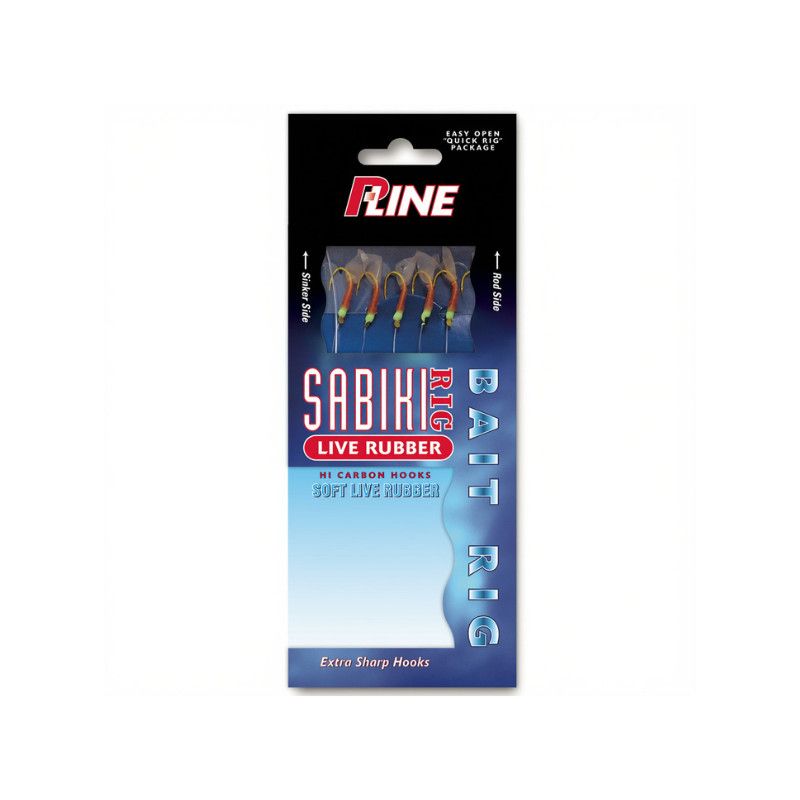
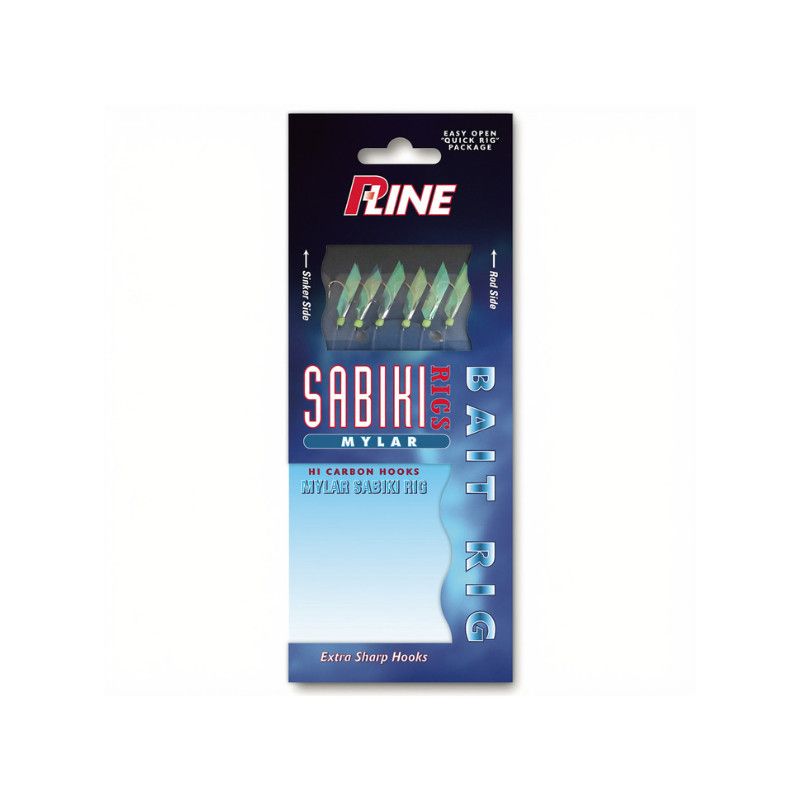
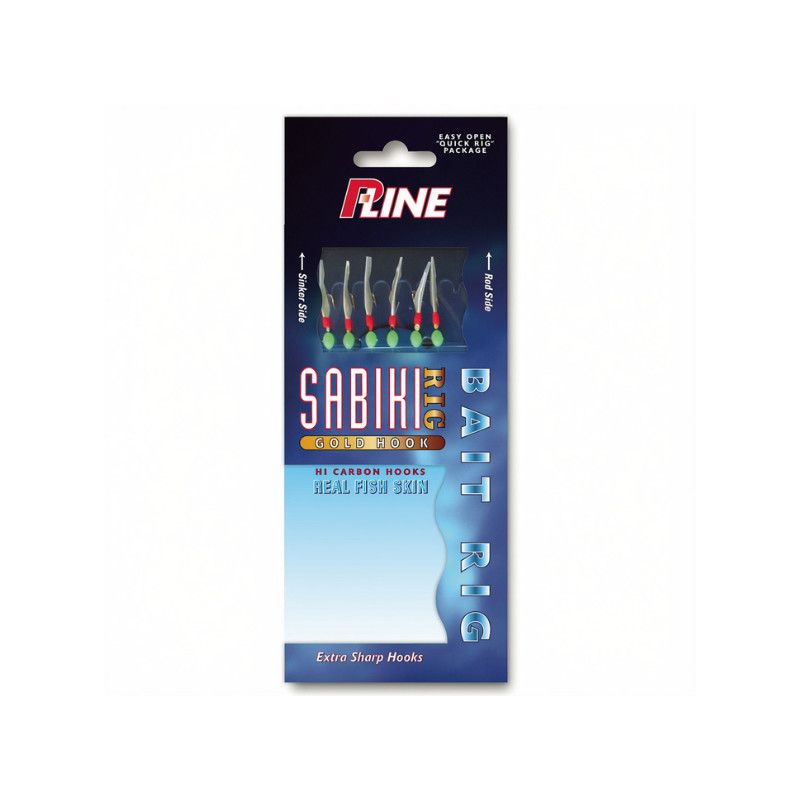
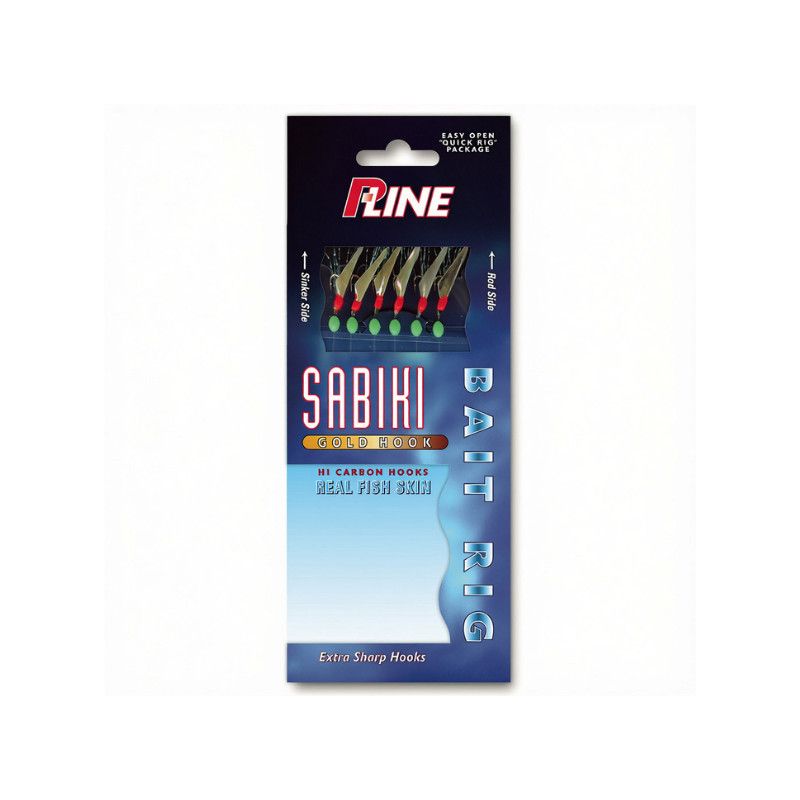
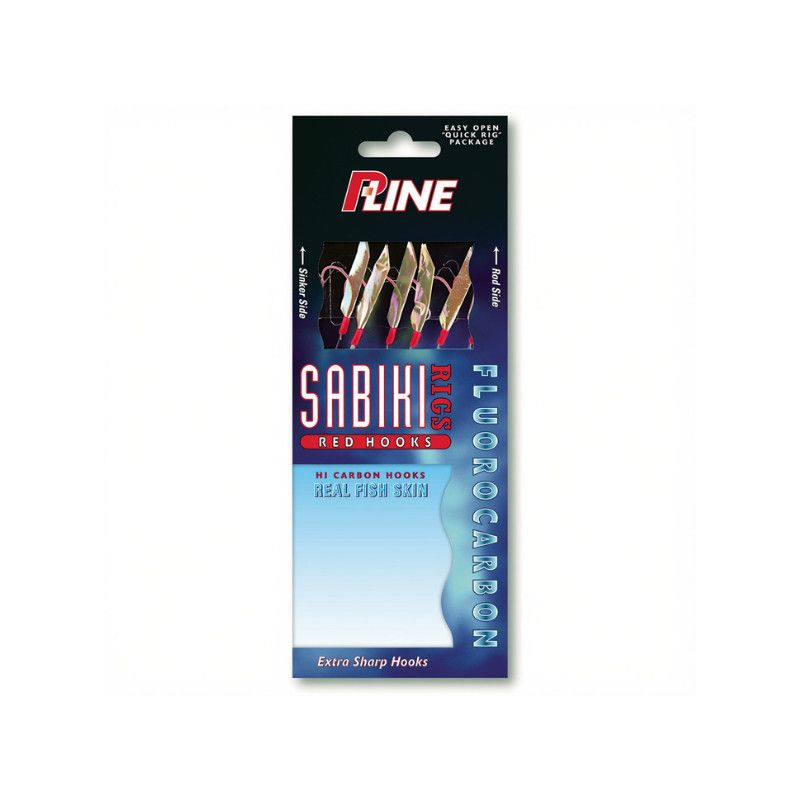
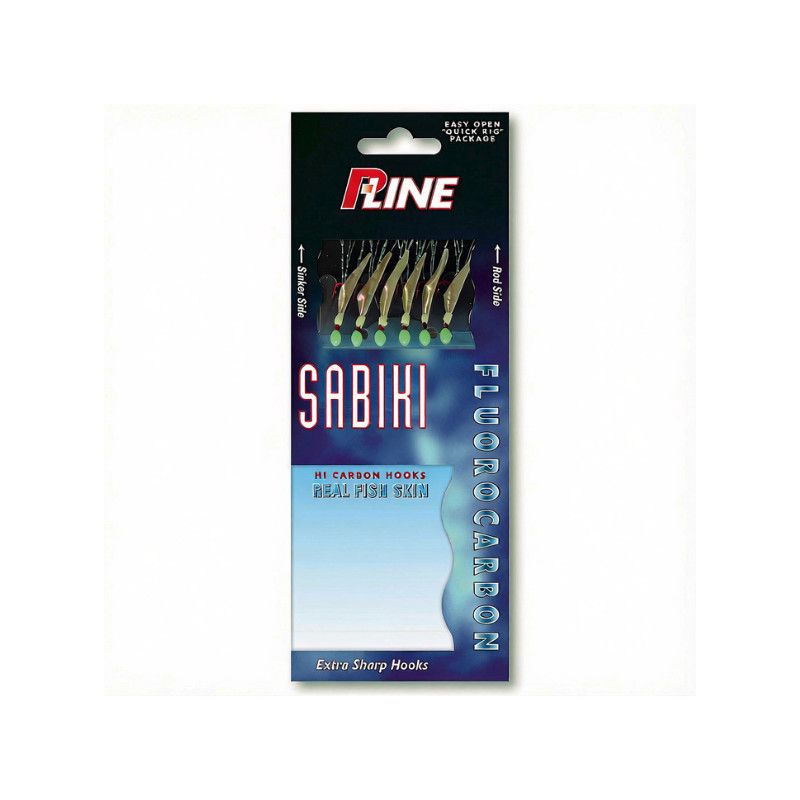
Most Sabiki rigs feature a main leader with several short branch lines, each holding a small hook dressed with reflective material, feathers, synthetic fibers, or other fish-attracting decorations.
Add a sinker to the bottom, lower the rig into the water, and let those little hooks do their thing.
The flashy decorations imitate tiny marine organisms or small prey. When a school of fish moves through, several fish may strike at once.
And that's where the fun begins.
Instead of catching one fish at a time, you might bring up two, three, or even a whole string of fish on a single drop.
Of course, that assumes the fish are feeling cooperative. This is still fishing, after all.
A Little Fishing History: Where Did Sabiki Rigs Come From?
Sabiki fishing has its roots in Japan, where catching small schooling fish from boats, harbors, and coastal piers has long been part of the country's fishing culture.
The modern commercial Sabiki rig is closely associated with Japanese fishing tackle manufacturer Hayabusa.
Hayato Tajiri founded the company that eventually became Hayabusa Fishing Hooks in 1958. During the 1960s, he recognized the usefulness of rigs made with multiple small hooks and began developing versions for commercial sale.
By 1974, the company was marketing these bait-catching rigs under the Sabiki name.
The concept took off in Japan, and by the 1980s, Sabiki rigs had become a familiar part of Japanese fishing tackle collections. Hayabusa began importing its Sabiki rigs into the United States in 1991.
Today, Sabiki-style rigs are used by anglers around the world.
What Does "Sabiki" Mean in Japanese?
Here's an interesting little bit of fishing trivia.
Although Sabiki is often described as a Japanese word meaning "bait-catching rig," the history is a little more complicated.
In Japanese fishing terminology, sabiki (サビキ) refers to this style of multi-hook fishing tackle and the technique used to fish it.
The word is also associated with the Japanese verb sabiku (さびく), which can describe drawing, working, or manipulating something, including fishing tackle.
Hayabusa helped establish Sabiki as a commercial tackle name, which eventually became widely used to describe the rig itself.
So, while the name comes from Japan, it isn't simply a literal translation of "catching bait."
Now you've got a little fishing trivia to share the next time you're standing around the dock waiting for the bite to pick up.
What Do Alaskans Catch With Sabiki Rigs?
Here in Alaska, Sabiki rigs are especially useful for catching small saltwater fish.
And while catching bait is their best-known job, that's not the only reason to keep a few in your tackle box.
1. Pacific Herring
If there's one fish that makes a Sabiki rig worth having in Alaska, it's Pacific herring.
Herring are an important forage fish in Alaska's marine ecosystem. They're also a familiar bait choice for anglers targeting larger saltwater species.
Freshly caught herring can be used for halibut fishing and other saltwater fishing applications where bait is permitted.
When herring are schooling, a properly sized Sabiki rig can be an efficient way to catch several fish without spending half the day trying to fill your bait supply.
And if you've ever paid for a pile of frozen bait, you already know why catching your own can be appealing.
2. Pacific Sand Lance and Other Small Baitfish
Pacific sand lance and other small schooling baitfish are another reason to carry light Sabiki tackle.
These little fish play an important role in Alaska's coastal food chain, providing food for salmon, seabirds, and larger marine predators.
Small baitfish can be difficult to target with conventional fishing tackle, but appropriately sized Sabiki hooks offer another option when fish are actively feeding.
Species identification matters, though. Not every little silver fish has the same harvest or bait-use rules.
3. Smelt
Depending on where you're fishing, smelt may also be encountered with small multi-hook rigs.
Alaska has several species commonly referred to as smelt, including surf smelt and eulachon, better known to many Alaskans as hooligan.
Different species, different fisheries, and sometimes very different regulations.
Don't assume every smelt fishery is open to Sabiki fishing simply because the fish are small.
4. Juvenile Pollock and Other Small Saltwater Fish
Sabiki rigs can also attract small pollock and other schooling saltwater fish.
These may be incidental catches rather than the fish you originally set out to catch.
The important thing is knowing what you've hooked before deciding whether to keep it, release it, or use it as bait.
A word from the Frontier Fisherman: Just because a fish is small enough to fit on a Sabiki hook doesn't automatically make it legal bait. Know your species and always, ALWAYS check the regulations.
Where Can You Go Sabiki Fishing in Alaska?
Some of the most promising places to look for Sabiki fishing opportunities are Alaska's coastal harbors, docks, and protected saltwater areas where schooling baitfish may gather.
Around Southcentral Alaska, these are a few places worth investigating:
- Whittier and Prince William Sound: Protected harbor waters and nearby saltwater fishing areas offer opportunities to look for schooling herring and other small marine fish.
- Seward and Resurrection Bay: A good area to investigate baitfish activity, particularly around the bay and accessible saltwater locations.
- Homer and Kachemak Bay: Another Southcentral saltwater destination where anglers may encounter herring and other schooling fish.
- Valdez and Port Valdez: Coastal waters where small schooling fish may be present during suitable seasonal conditions.
- Kodiak: Alaska's productive marine waters provide additional opportunities for anglers interested in small saltwater species.
These are general fishing areas, not guaranteed Sabiki hotspots. Fish move, seasonal conditions change, and public access or fishing restrictions may apply around docks, harbors, and other facilities.
Before heading out, check local access rules and the current Alaska Department of Fish and Game regulations.
And remember: a harbor full of boats doesn't necessarily mean a harbor full of fish.
How to Choose the Best Sabiki Rig for Fishing in Alaska
Not all Sabiki rigs are created equal.
Some are made with tiny hooks and lightweight leaders for small baitfish. Others have larger hooks, heavier line, and more substantial materials for bigger or stronger fish.
Choosing the right one comes down to what you're trying to catch, where you're fishing, and the conditions you're fishing in.
Hook Size: Match the Fish You're After
Smaller hooks are generally better suited to smaller baitfish, while larger hooks may work better for herring and other relatively larger schooling species.
Remember that fishing hook sizes work backward within the standard numbered sizing system: a size 12 hook is smaller than a size 6 hook.
For small Alaska baitfish, you may want to begin by comparing rigs in the smaller hook-size ranges. For larger herring, consider moving up in hook size.
There's no universal perfect Sabiki hook size. Different manufacturers also use different hook shapes and patterns, so compare the actual hooks rather than relying on the number alone.
Leader Strength: Don't Go Too Light
Light leaders can help make a rig less noticeable in clear water, but they can also tangle or break more easily.
If you're fishing around pilings, working in current, or catching larger herring, a stronger leader may be worth considering.
For smaller baitfish in calm water, a lighter rig may work just fine.
The goal is to match your tackle to the fish and conditions without making the rig unnecessarily heavy.
Color and Flash: Sometimes the Little Things Matter
Sabiki rigs come dressed in a variety of colors and materials, including:
- White feathers and synthetic fibers
- Silver or iridescent reflective strips
- Fish-skin-style patterns
- Glow and luminous materials
- Pink, green, and other colored accents
In clear water with plenty of daylight, a subtle reflective pattern may be all you need.
In deeper water, cloudy conditions, or lower light, a glow or higher-visibility pattern may be worth trying.
Fish can be particular little critters. If one pattern isn't getting attention, switch things up.
How Many Hooks Do You Need?
A longer rig with more hooks can cover more water and potentially catch several fish at once.
It can also create a spectacular tangle if you're not paying attention.
For beginners, a shorter rig with fewer hooks is often easier to manage.
And before you fish, make sure the number and type of hooks on your rig are legal for the species and location you're targeting.
How to Fish a Sabiki Rig: Step by Step
One of the best things about Sabiki fishing is that you don't need a complicated setup to get started.
- Step 1: Choose your rig. Match the hook size, leader strength, and hook count to your target species and fishing location.
- Step 2: Attach the rig to your main fishing line. Most Sabiki rigs have a swivel or attachment point at the top and a clip or loop for a sinker at the bottom.
- Step 3: Add an appropriate sinker. Use enough weight to keep the rig down and reasonably vertical in the water. The right amount depends on current, depth, and your tackle.
- Step 4: Lower the rig into the water. Avoid dropping it into rocks, submerged lines, or structures where those little hooks can get snagged.
- Step 5: Give it a gentle jigging motion. Small lifts and pauses can help the dressed hooks imitate tiny swimming prey.
- Step 6: Pay attention to the bite. You may feel a light tap, a sudden increase in weight, or several fish pulling in different directions.
- Step 7: Reel in smoothly. Once fish are hooked, avoid aggressive jerking. Small hooks and light leaders aren't designed for wrestling matches.
- Step 8: Handle your catch carefully. Remove fish promptly, identify your catch, and store any legally retained baitfish appropriately.
There you have it. Simple enough for a beginner, useful enough for an experienced angler.
Frontier Fisherman's Tips for Better Sabiki Fishing
A few things worth remembering before you head out:
- Look for schooling activity. Diving birds, fish breaking the surface, and activity on a fish finder can help you locate baitfish.
- Try different depths. If you're not getting bites near the surface, lower the rig a little deeper. Fish aren't always hanging out where you expect them.
- Don't overwork the rig. Small, controlled movements often make a better presentation than wildly jerking the rod.
- Keep an extra rig handy. Sabiki rigs have a remarkable talent for tangling themselves into something resembling Grandma's knitting basket.
- Use a bait bucket or cooler. If you're keeping fish for bait, have a plan for storing them before you start catching them.
- Consider a dedicated Sabiki rod. These specialty rods can make fishing and handling multi-hook rigs much easier.
What's a Sabiki Rod, and Do You Need One?
A traditional fishing rod will work for many Sabiki applications.
But there's a reason dedicated Sabiki rods exist.
Most feature a hollow rod design that allows the rig to be drawn inside the rod when retrieved.
Instead of having a string of tiny, sharp hooks swinging around the boat, the rig can be stored inside the rod until you're ready to drop it again.
That makes for easier handling, fewer tangles, and less opportunity to accidentally hook yourself, your fishing partner, or something else that wasn't supposed to be part of the catch.
For occasional Sabiki fishing, a conventional rod may be sufficient.
But if you regularly catch bait for saltwater trips, a dedicated Sabiki rod can be a worthwhile addition to your gear.
Can You Use Sabiki Rigs to Catch Your Own Halibut Bait?
Absolutely. Catching herring with a Sabiki rig is one practical way Alaska anglers can supply bait for a halibut fishing trip, provided the harvest and subsequent bait use are legal.
Fresh herring can be fished whole or prepared into cut bait, depending on the size of the fish and how you plan to present it.
Keep your bait cold and handle it properly. If you're saving it for another trip, package and freeze it promptly.
A little preparation can make a difference when it's time to put that bait to work.
Are Sabiki Rigs Legal in Alaska?
Yes, Sabiki-style rigs can be legal in Alaska, but that doesn't mean every multi-hook rig is legal for every species or location.
Alaska has specific saltwater provisions for herring and smelt that allow up to 15 unbaited hooks on a single line.
However, other species and fisheries may have different hook restrictions, gear requirements, and harvest limits.
Before fishing, check the current Alaska Department of Fish and Game regulations for your specific area and target species, along with any emergency orders.
Don't assume a rig is legal simply because it's sold in a tackle shop.
Check Alaska fishing regulations: https://www.adfg.alaska.gov/index.cfm?adfg=fishregulations.sport
Small Hooks. Big Alaska Fishing Possibilities.
Sabiki rigs may not be the biggest, fanciest, or most expensive tackle in your collection.
But sometimes the little things make the biggest difference.
Whether you're catching herring for a halibut trip, looking for schooling baitfish in Prince William Sound, or simply trying something new on your next saltwater outing, a well-chosen Sabiki rig can earn its keep.
And if you've never tried Sabiki fishing before, you might be surprised just how entertaining a string of little fish can be.
After all, catching more fish doesn't always mean catching bigger fish.
Sometimes it means catching a whole bunch of little ones.
Ready to Go Sabiki Fishing in Alaska?
At B&J Sporting Goods, we're all about helping Alaskans find the right tackle for the fish they're after.
Explore our selection of Sabiki rigs, Sabiki rods, and saltwater fishing gear for your next outing.
Not sure which hook size, leader strength, or rig style you need? Stop by our Anchorage shop and talk fishing with our crew.
And if you don't see what you're looking for online, give us a call. Not everything we carry in-store has made it onto our website yet.
We've been helping Alaska fish and make memories on the water since the 1950s.
GoFISH, Alaska!
Powered by Lightspeed
Display prices in:USD